Kopi Luwak, often known as Civet Coffee, is one of the world's most expensive and unusual coffee experiences. Originating from Indonesia, it is famous for its unique production process, colonial-era history, and ongoing ethical discussions. For travelers, it is not just about coffee; it is about experiencing a distinctive part of Indonesian culture. If you would rather have the plantation visits built into a longer trip, Indonesia tour packages are a good place to start.
What Is Kopi Luwak?
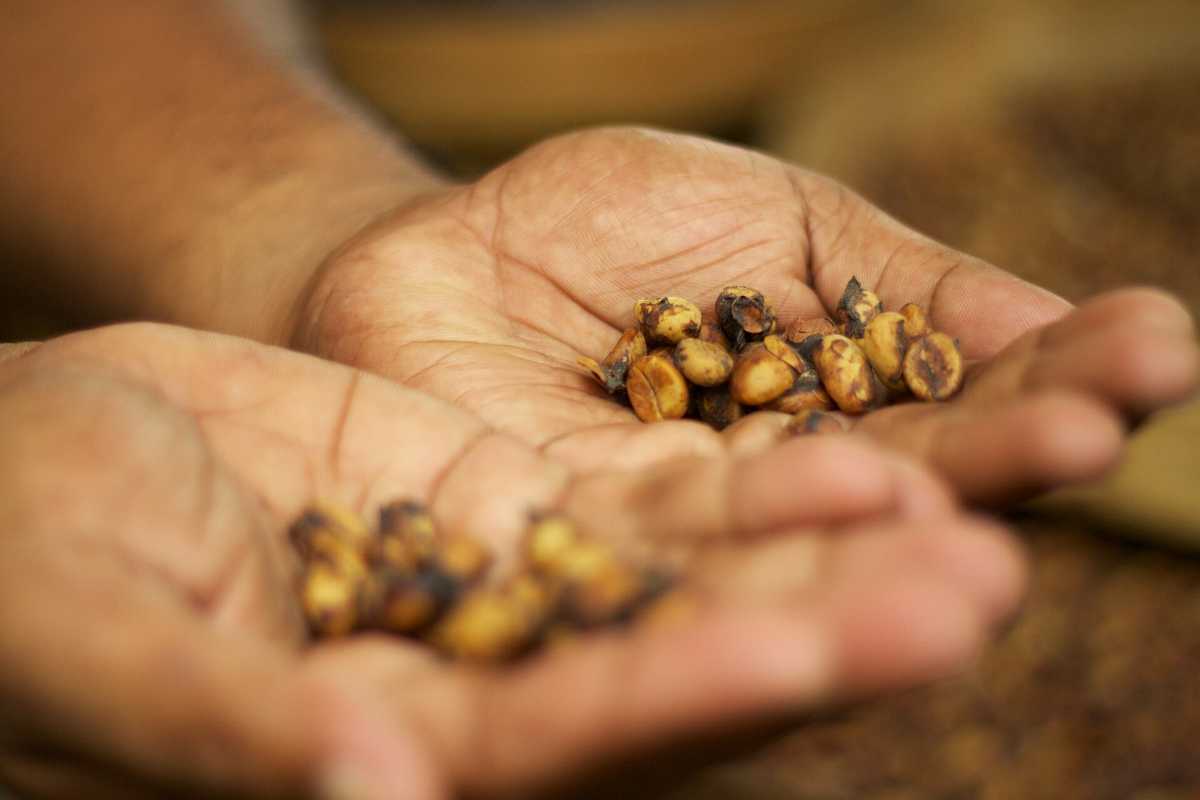
Kopi Luwak is a coffee made using beans that have been eaten and naturally processed through the digestive system of the Asian palm civet. After being excreted, the beans are collected, cleaned, roasted, and brewed into coffee.
Why It Is Famous
- One of the most expensive coffees in the world
- Unique natural processing method
- Strong cultural and tourism appeal in Indonesia
- Considered a luxury coffee experience
The Story Behind Kopi Luwak
Legend says Kopi Luwak was discovered during the Dutch colonial era in Indonesia. Local farmers, who were forbidden from using plantation coffee for themselves, noticed civets eating coffee cherries and leaving the beans behind intact. They collected, cleaned, and brewed these beans, discovering a surprisingly smooth coffee.
What began as a necessity later became one of the world's most talked-about luxury coffees.
Why This Story Matters:
- Reflects Indonesia's colonial past
- Shows local ingenuity
- Adds cultural depth to the coffee experience
- Major reason behind its global fame

Why Is Kopi Luwak So Expensive?
Its high price comes from rarity, labor-intensive production, and global demand.
Key Factors:
- Very limited natural production
- Time-consuming collection process
- Cleaning and processing effort
- Luxury branding and tourism demand
- Higher cost for ethically sourced beans
Plantation tasting: ₹500 to ₹2,000
Café cup: ₹1,000 to ₹5,000+
Packaged beans: ₹3,000 to ₹15,000+
Where to Try Kopi Luwak in Indonesia
Kopi Luwak is widely available across Indonesia, especially in coffee plantation regions where visitors can experience guided tours. Visitors can explore lush coffee plantations, learn how coffee is grown and processed, and watch demonstrations of roasting and brewing methods. Most tours include tastings of multiple Indonesian coffees and teas, with Kopi Luwak offered as a premium optional experience. It is both educational and experiential, often blending nature walks with cultural insights into Bali's coffee traditions.
- Bali Pulina Agro-Tourism
- Teba Sari Agro-Tourism
- Alam Sari Agro-Tourism
- Lumbung Sari
- House of Luwak
- CoffeeMas Plantation
- Luwak Coffee
How Kopi Luwak Is Made
Civets naturally eat ripe coffee cherries. While the fruit is digested, the beans remain intact and pass through the digestive system. During this process, natural enzymes interact with the beans and subtly change their composition.
Once collected, the beans are carefully cleaned, washed, dried, sorted, and roasted before brewing.
Key Points:
- Civets select ripe cherries naturally
- Beans are cleaned and processed extensively
- Roasting shapes the final flavor
- Taste varies by region and method
Wild vs. Farmed Kopi Luwak
Kopi Luwak is generally produced in two ways, and this significantly affects quality and ethics.
Wild-Sourced Kopi Luwak
- Collected from civets in natural habitats
- Rare and limited in production
- Often considered more ethical
- More expensive
Farmed (Caged) Kopi Luwak
- Civets kept in controlled environments
- Higher production volume
- More widely available
- Raises animal welfare concerns
What Does Kopi Luwak Taste Like?
Kopi Luwak is often described as smooth, mild, and less bitter compared to many traditional coffees. However, taste perceptions vary widely.
Common Tasting Notes:
- Smooth body
- Low bitterness
- Earthy undertones
- Subtle chocolate and caramel notes
- Lower acidity
Ethical Concerns Surrounding Kopi Luwak Production
The process of collecting the beans can involve poor animal welfare practices, as civets are often kept in small cages and displayed to tourists as part of commercial attractions. Their diet is also frequently restricted to coffee cherries to maximize production, which can lead to nutritional deficiencies and other health issues.
Many coffee enthusiasts argue that the stress and confinement experienced by these animals may negatively affect their digestive health, which could also influence the quality and flavor of the coffee.
Considering the ethical concerns and welfare risks associated with Kopi Luwak production, the authenticity and consistency of the final product are often uncertain. As a result, many travelers choose ethically sourced wild Kopi Luwak or opt for regular Indonesian coffee instead.
Kopi Luwak offers more than just a cup of coffee, it is a story of tradition, culture, rarity, and ongoing debate. Whether you choose to try it or not, learning about its origins and production helps you appreciate why it remains one of Indonesia's most famous culinary experiences.
 )
)