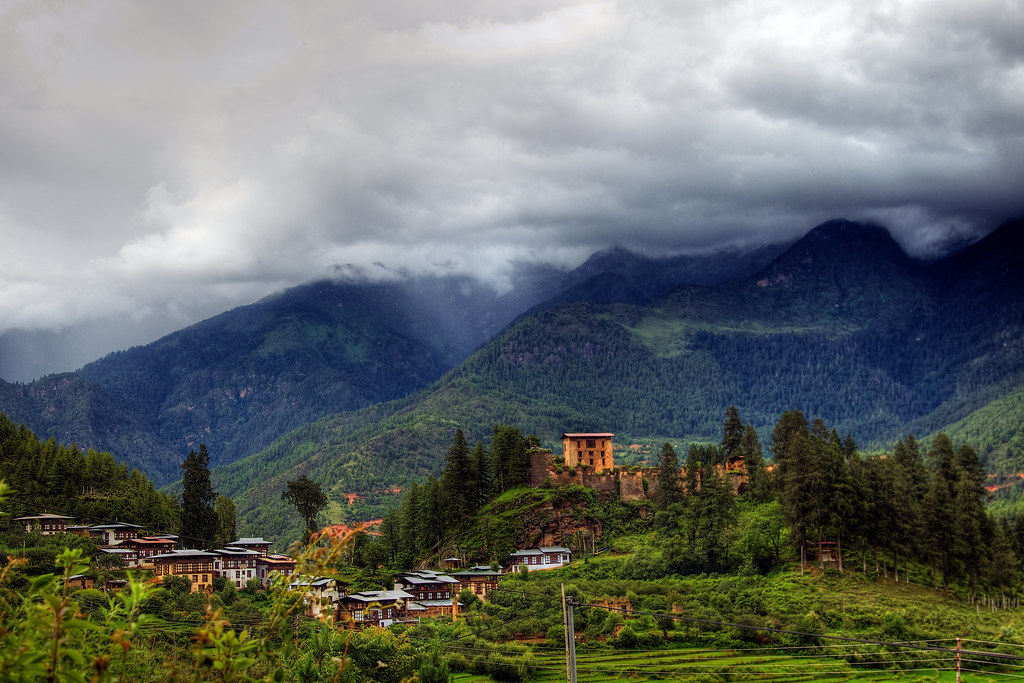
Drukgyel Dzong

4.2 /5

Paro Travel Packages

Compare quotes from upto 3 travel agents for free

Tags : Buddhist Temple

Timings : 7:00 AM - 6:00 PM

Entry Fee : No Entry Fee

Drukgyel Dzong, Paro Overview

Drukgyel Dzong was built in 1649 to mark Bhutan's victory over a Tibetan invasion. A 1951 fire gutted the fortress, and it stood as a ruin for over six decades until the government began a large-scale restoration in 2016. Climb up today and you still get one of Paro Valley's best views, framed by Mt. Jomolhari on a clear day.

Drukgyel Dzong was almost entirely destroyed by a 1951 fire. It stood as a preserved ruin, its stone and rammed-earth walls still showing how the fortress once worked, until 2016, when the Bhutanese government launched a full-scale reconstruction. It's on Bhutan's tentative list for UNESCO World Heritage status. On a clear day, it offers a rare direct view of Mt. Jomolhari, Bhutan's most sacred peak, making the short walk up worthwhile even without a guide.

Drukgyel Dzong
Source

Read More on Drukgyel Dzong

Original Architecture of the Drukgyel Dzong
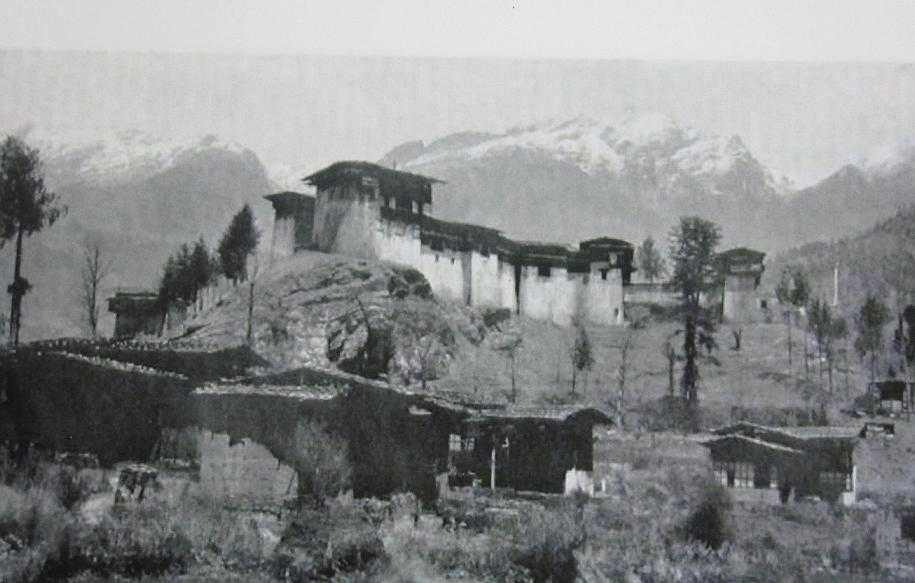
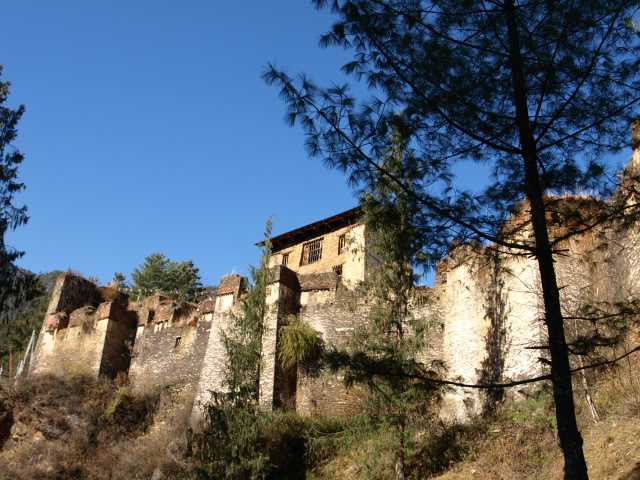
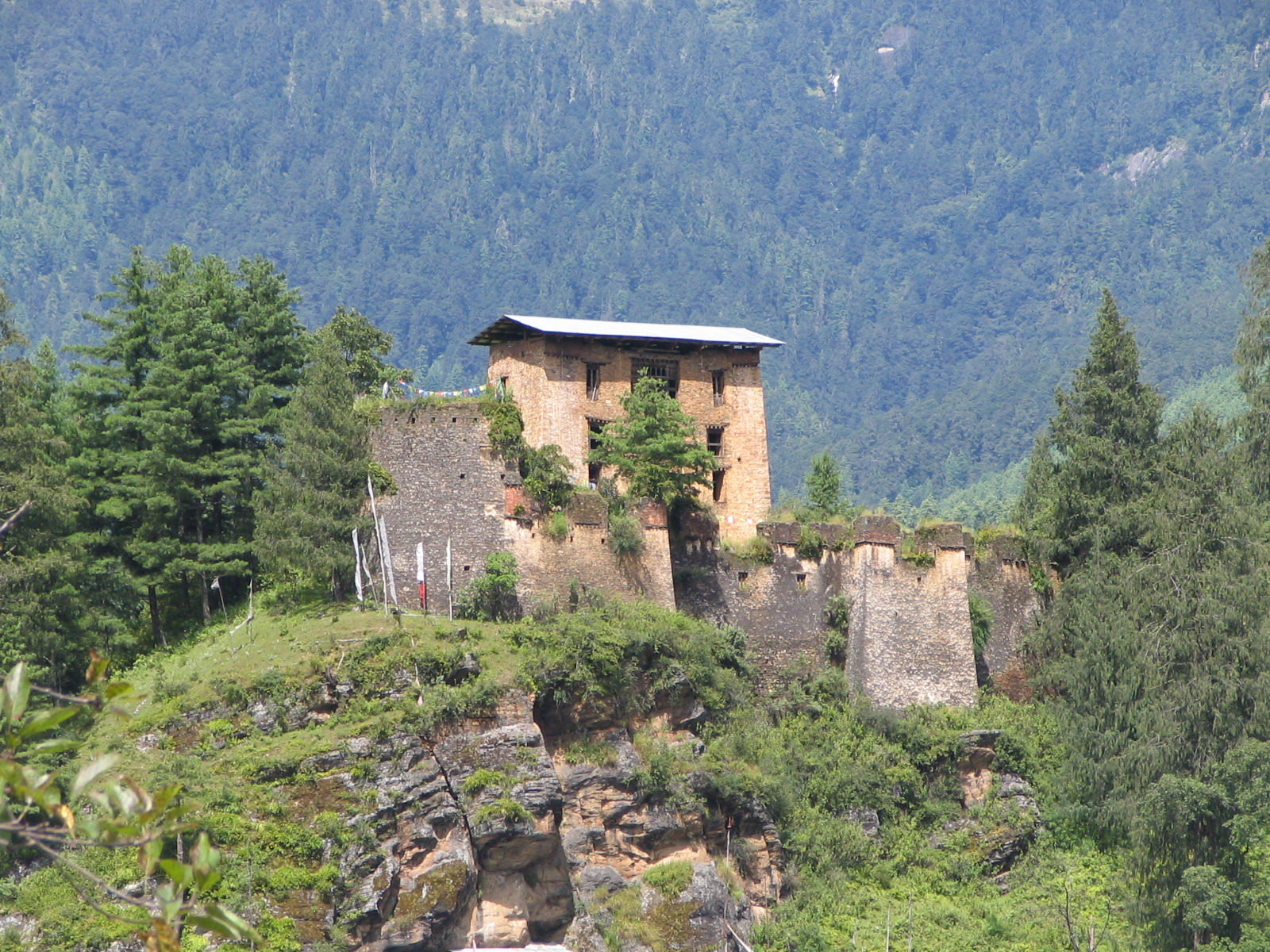
Before it was destroyed by fire, the massive structure of the Drukgyel Dzong flaunted Bhutanese architecture at its finest. Its rough height is around 80-90 feet. It was protected by strong double walls. There were windows on the wall, which were used to keep track of the enemies’ actions near the dzong.
Drukgyel Dzong
Source
The dzong had several buildings, all of which were significant in their way. Shabkhor, the rectangular-shaped stone buildings surrounding the courtyard of the dzong, was a major attraction. Ta-dzongs, which were built along the entrance of the dzong, served as a watchtower and safeguarded the only entrance of the dzong.
Drukgyel Dzong
Source

History of the Drukgyal Dzong

Built-in 1649 by Zhabdrung Ngawang Namgyal, Drukgyel Dzong, meaning “victorious fortress”, marked the victory of Bhutan over Tibet in 1644 Tibetan invasion. The dzong served as a great help to Bhutanese forces in driving away from the Tibetan forces.

There is a false entry gate in the dzong which gave enemies a false illusion of the entrance. In reality, there was only one entrance to the dzong. In fact, there are secret tunnels which supported the army to pass easily from one place to another, without any danger.
Drukgyel Dzong
Source

Present Day Condition of the Drukgyel Dzong

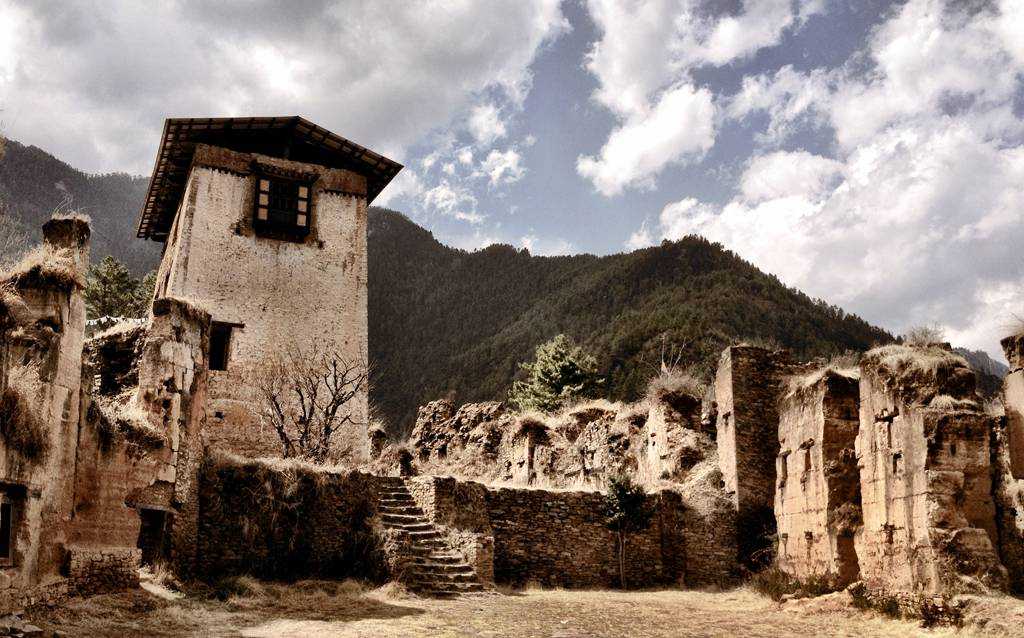
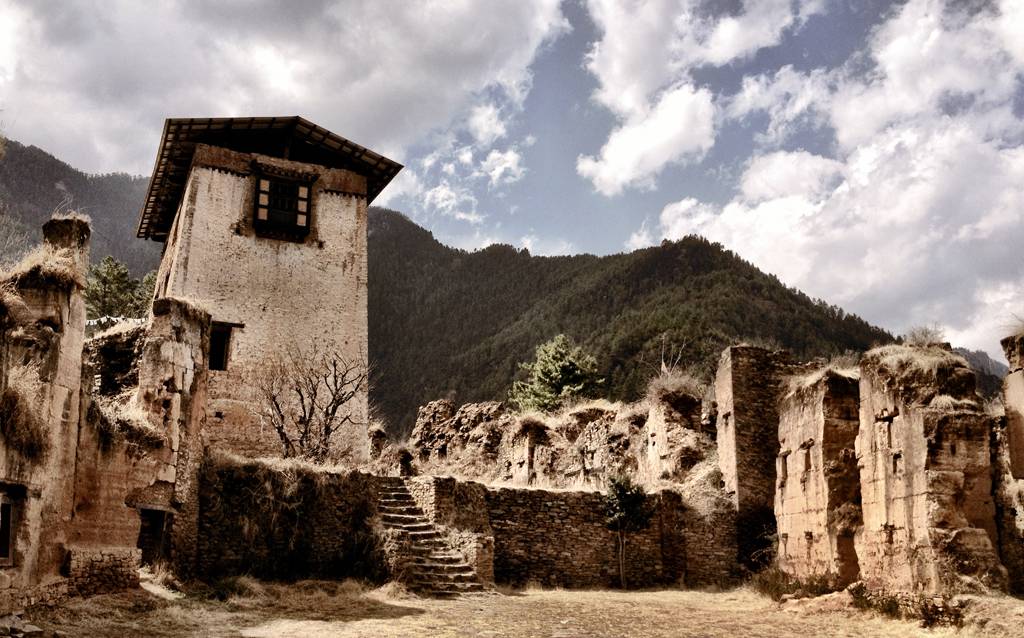
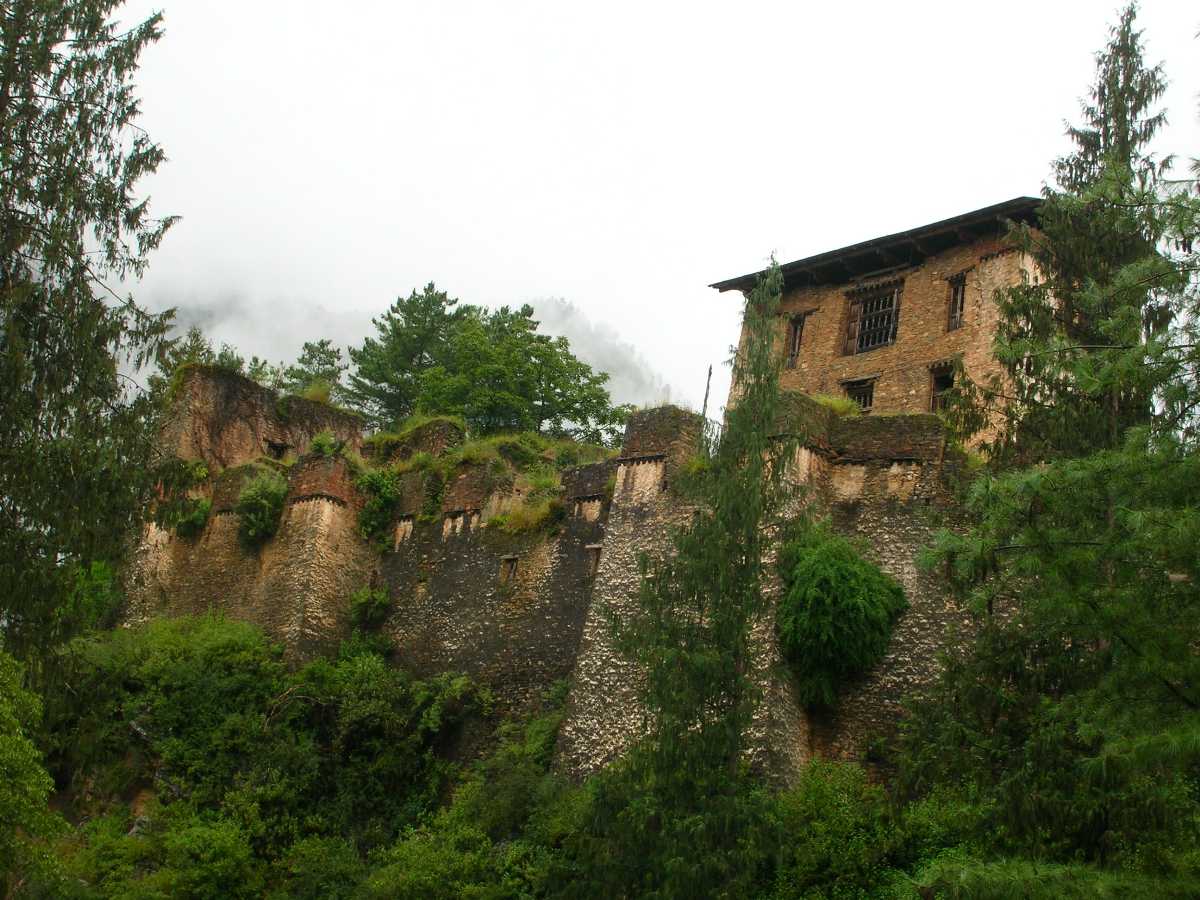
Most of the original construction of the Drukgyel Dzong has been compromised due to the fire in 1951. But from the ruins, one can make out the basic stonework. The basic foundation still lays.

It is a paradise for photography lovers since the site is best for clicking photographs. Capturing the essence of Bhutan at this intriguing location is exciting.
Drukgyel Dzong
Source
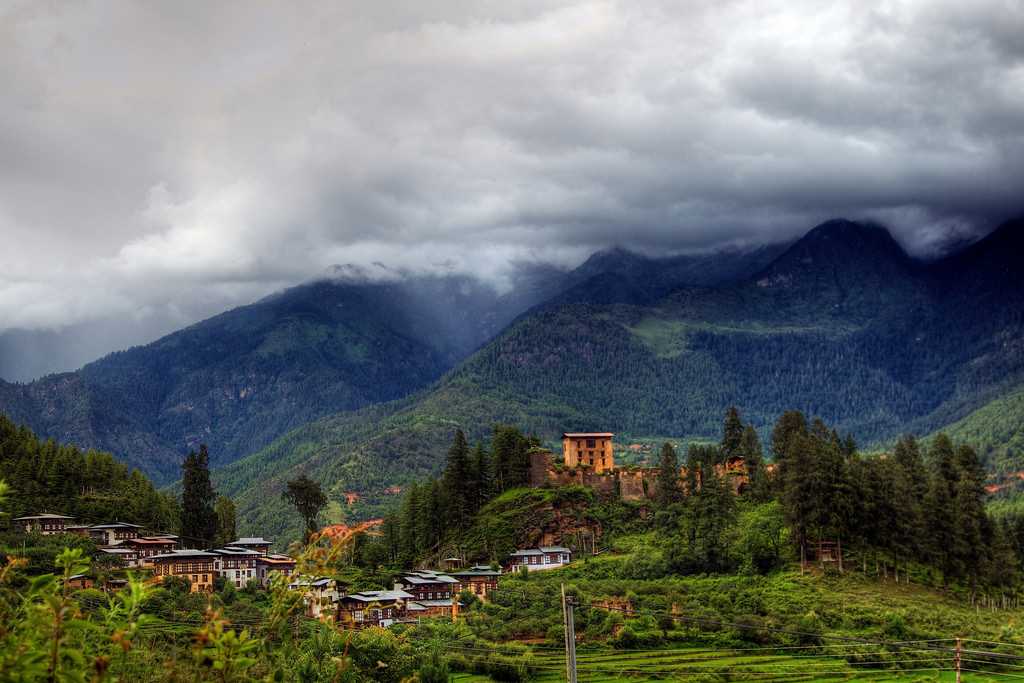
Hopefully, the renovation work would end in a few years, restoring this magnificent site to its original glory. However, the ruins of the dzong are a great cultural and visual attraction, rich in Bhutanese history.
Drukgyel Dzong
Source

How To Reach Drukgyel Dzong

The Drukgyel Dzong is located in a rather isolated location, but the famous Tiger’s Nest Monastery is nearby. Taktsang Palphug Monastery is also situated at a distance of around 4 kilometres. A cab can be hired from any of the nearby attractions to reach Drukgyel Dzong.

Top Hotel Collections